.jpg)


.jpeg)
.jpeg)


.jpg)
.jpg)

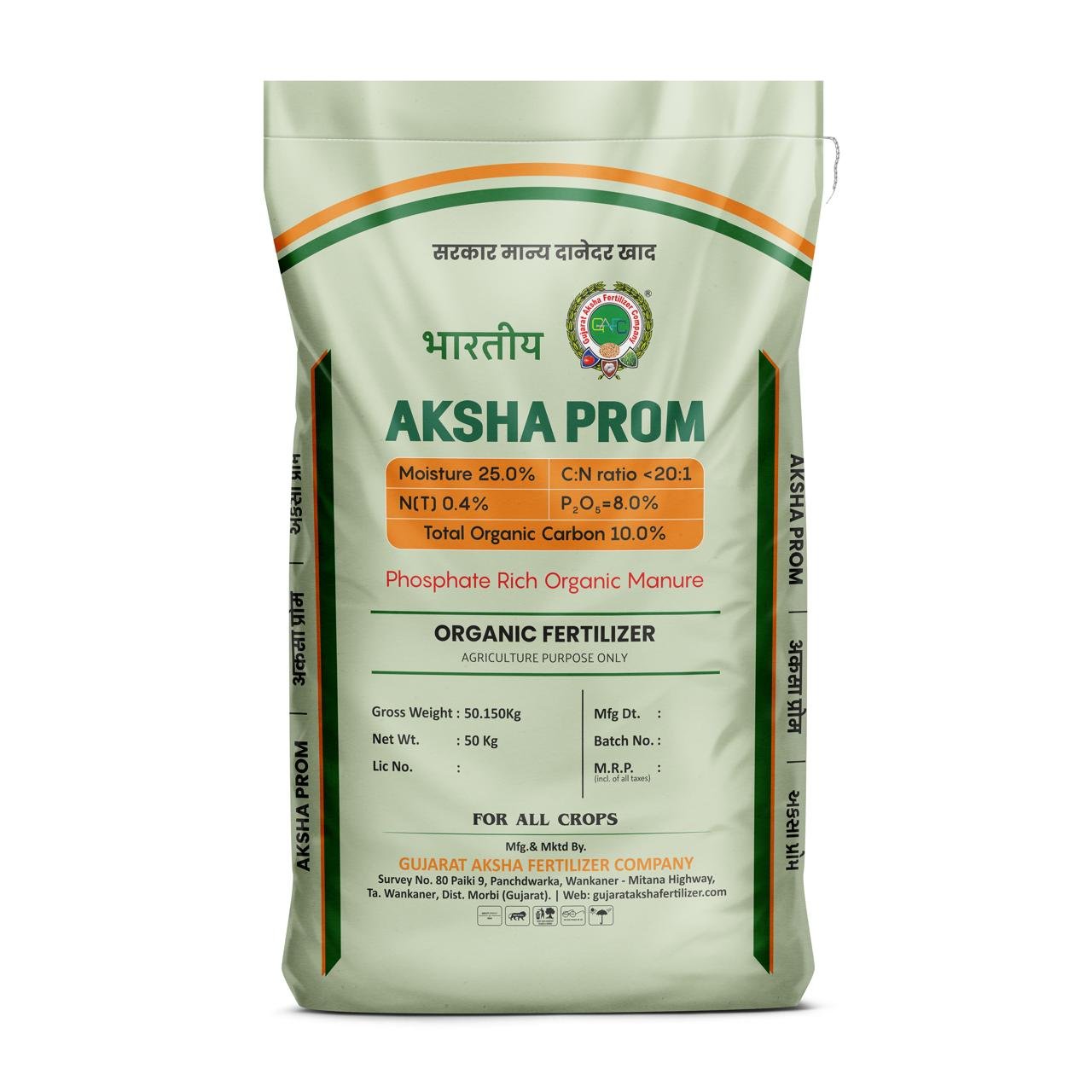
Organic Manure | ||
(1) | Moisture per cent by weight, maximum | 25.0 |
(2) | Particle size | Minimum 90% material Should pass through 4.0mm IS sieve |
(3) | Bulk density (g/cm3 ) | <1.0 |
(4) | Total organic carbon, per cent by weight, minimum | 14.0 |
(5) | Total Nitrogen (as N) per cent by weight, minimum | 0.5 |
(6) | Total Phosphates (as P2O5) per cent by weight, minimum | 0.5 |
(7) | Total potash (as K2O) per cent by weight, minimum | 0.5 |
(9) | NPK nutrients – not N,P2O5 and K2O nutrient should not be less than 3% |
|
(10) | C:N ratio | <20 |
(11) | PH | 6.0-8.5* |
(12) | *Omitted |
|
(13) | Pathogen | Nill |
(13) | Heavy metal content (as mg/kg), maximum Arsenic as (AS2o3) Cadmium (as Cd) Chromium (as Cr) Copper (as Cu) Mercury (as Hg) Nickel (as Ni) Lead (as Pb) Zinc (as Zn) |
10.0 5.0 50.0 300.00 0.15 50.00 100.00 1000.00 |
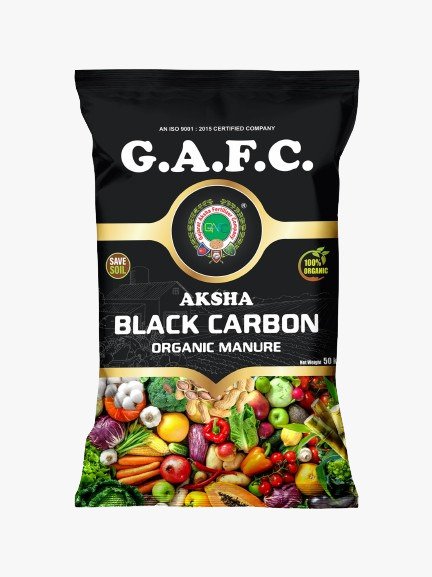
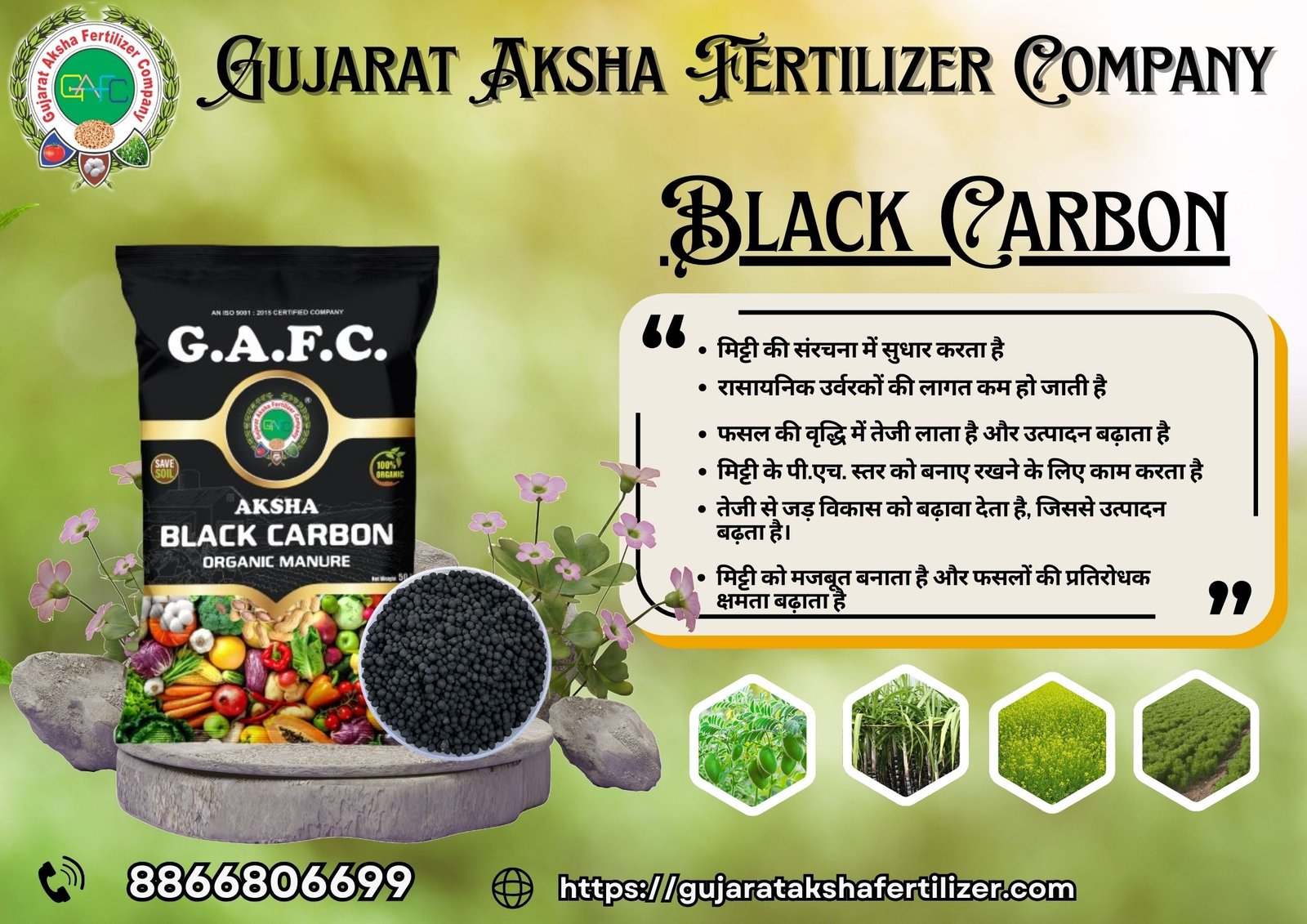
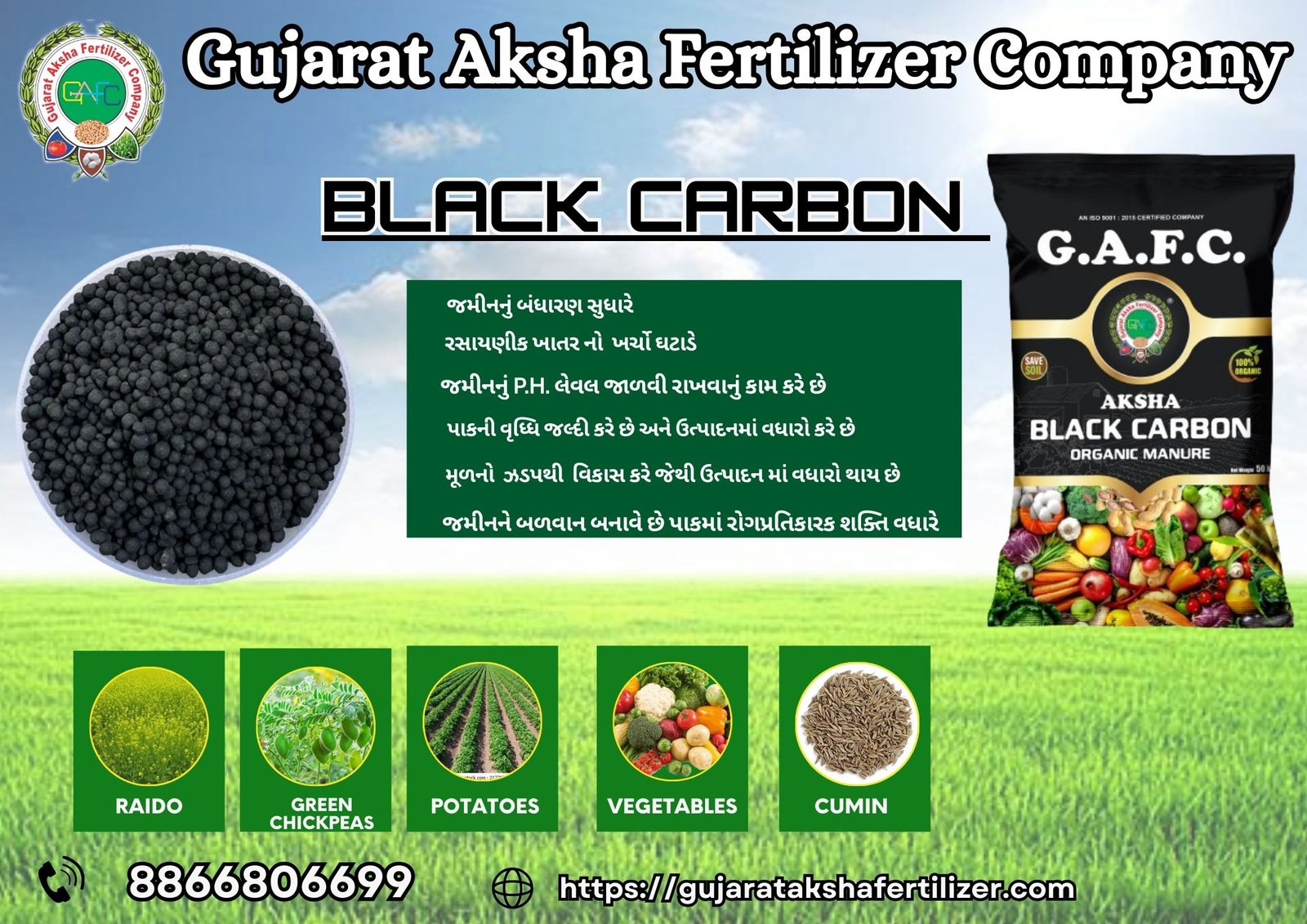
- Soil Amendment: Increases organic carbon content and balances pH levels in the soil.
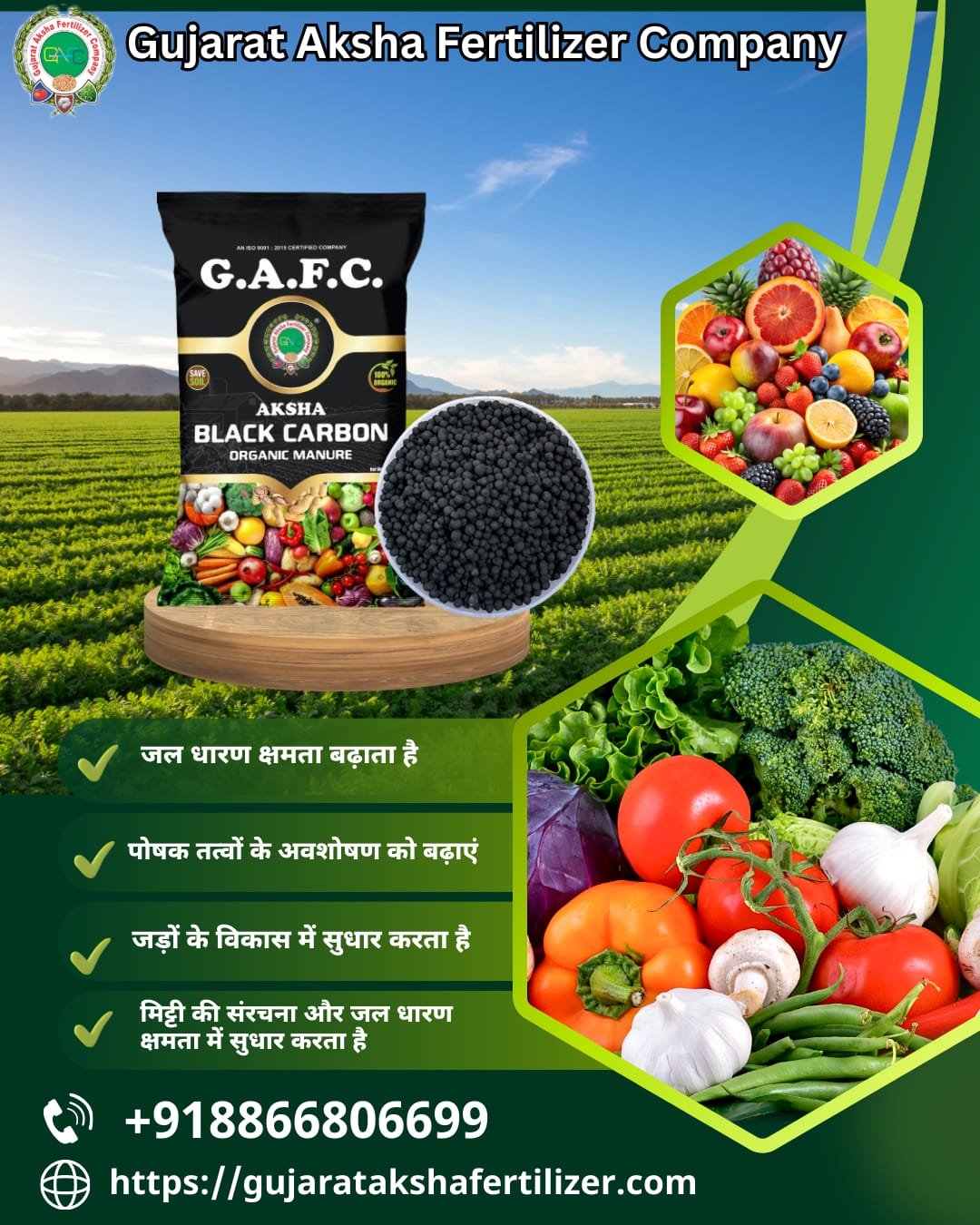
- Water Retention: Significantly enhances the soil's ability to hold water, reducing irrigation needs.
- Nutrient Binding: Possesses high nutrient retention capacity, preventing nutrient leaching and increasing fertilizer efficiency.
- Microbial Activity: Promotes a healthy, active, and diverse soil biology by providing a habitat for microorganisms.
- Soil Aeration: Improves soil structure, which facilitates better air and water movement.
- Disease Reduction: Helps suppress soil-borne pathogens and pests, strengthening crop resistance.
- Longevity: Acts as a long-lasting soil conditioner that does not easily degrade, providing benefits over many years.
- Easy Application: Due to their granular form, they are easy to handle and apply directly or blend with traditional fertilizers.
- Sustainable: Supports sustainable farming by reducing the need for chemical fertilizers and improving nutrient uptake.
- Boosts Water Retention: Acts like a sponge, holding moisture in the soil, which reduces irrigation needs and helps crops withstand drought.
- Improves Soil Structure: Increases porosity and decreases soil bulk density, enhancing aeration and improving drainage.
- Enhances Nutrient Retention: Reduces nutrient leaching by capturing essential nutrients (like Nitrogen, Phosphorus, Potassium) and slowly releasing them to plant roots.
- Boosts Soil Fertility: Increases the Cation Exchange Capacity (CEC) of the soil, allowing it to retain more nutrients.
- Promotes Beneficial Microbial Activity: Provides a porous habitat for beneficial microorganisms, boosting soil biological activity.
- Balances Soil pH: Helps neutralize acidic soils, acting as a natural liming agent.
- Increases Crop Yields: Promotes stronger root growth and healthier plants, generally leading to higher yields.
- Long-Term Carbon Sequestration: Stores carbon in the soil for hundreds to thousands of years, reducing CO2 emissions.
- Reduces Chemical Dependency: Decreases the need for frequent chemical fertilizers and pesticides.
- Remediates Soil Pollution: Adsorbs heavy metals and reduces the toxic impact of contaminants on plants.